
Skip to content
Contact
Data Integration

Connect systems, data and processes so information can move with confidence

Most organisations rely on multiple systems to manage customers, finance, operations, reporting and engagement. When those systems do not work together, teams spend more time moving data around than using it.


Data integration helps organisations connect the systems they depend on, enabling information to flow more consistently between CRM, finance, operational platforms, third-party tools, reporting environments and data platforms.


With the right integration approach, organisations can reduce manual effort, improve data quality and create stronger foundations for reporting, automation and AI.
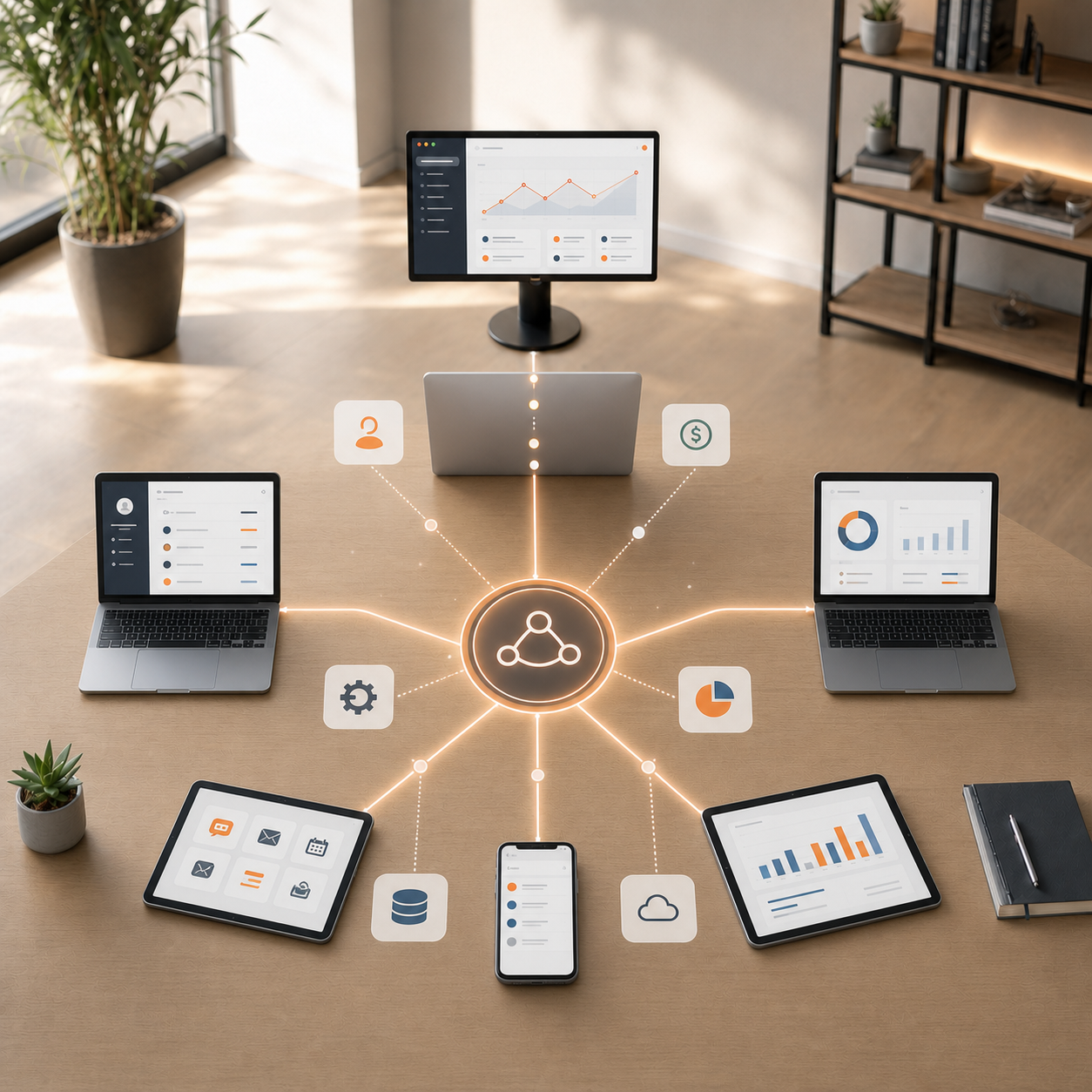



Abstract Data Integration System Visual

Why Data Integration?

Many organisations already have the systems they need, but those systems do not always work together effectively. Common challenges include:


Data integration helps address these challenges by creating controlled, repeatable ways for information to move between systems.

  • Data held across disconnected systems and platforms
  • Manual imports, exports and spreadsheet-based workarounds
  • Duplicate or inconsistent information across teams
  • Difficulty connecting CRM, finance, operational and reporting data
  • Third-party platforms creating additional data silos
  • Limited confidence in reporting because data is not consistent
  • Integration processes that are difficult to monitor, support or scale

Key capabilities

System-to-system integration

Connect core business platforms such as Dynamics 365, Business Central, finance systems, fundraising platforms, websites, payment tools and third-party applications.

Data flows and automation

Create structured data flows that reduce manual importing, exporting and rekeying of information between systems.

Integration with reporting platforms

Feed clean, consistent data into platforms such as Microsoft Fabric and Power BI so teams can build more reliable reporting and insight.

Data validation and stewardship

Apply validation, matching, transformation and reconciliation before information reaches core business systems. This helps improve data quality, reduce errors and give teams greater confidence in the information they use.

Import and staging processes

Use controlled staging approaches to bring external data into Dynamics 365, Dataverse or reporting environments in a more reliable and repeatable way.

API and file-based integration

Support different integration methods depending on system capability, data volume, frequency and business need.

AI and analytics readiness

Create better foundations for Copilot, analytics and future AI initiatives by ensuring data is connected, structured and trusted.

Typical use cases

Connect fundraising, finance, payment, campaign and service delivery systems to improve visibility and reduce manual effort.


Common scenarios include:


  • Donation platform integrations
  • Fundraising and income source feeds
  • Payment and Direct Debit data flows
  • Supporter and engagement data integration
  • Finance and CRM reconciliation
  • Reporting and impact data integration
  • Gift Aid or external submission data flows


Our integration principles

Reliable by design

Integration processes need to run consistently, with clear monitoring and error handling when issues arise.

Controlled data movement

Data should be validated, matched and transformed before it reaches core CRM, finance or reporting systems.

Flexible enough to evolve

Requirements change as systems, suppliers and data sources change. We design integration approaches that can be extended over time.

Built around business context

Effective integration depends on understanding what the data means, not just where it needs to go.

Scalable and supportable

Integration processes should be able to support changing volumes, added complexity and future reporting or AI requirements.

Ready for reporting and AI

Connected, trusted data creates stronger foundations for Microsoft Fabric, Power BI, Copilot and future AI initiatives.

Why mhance?

We understand connected business processes

Integration is not just about moving data between systems. We help organisations understand how information supports real processes, reporting requirements and day-to-day decision-making.

We reduce manual effort and duplication

Many organisations rely on people to bridge gaps between systems. We help replace manual workarounds with more reliable, repeatable data flows.

We design for control and confidence

Good integration needs visibility, validation and exception handling. We help organisations create integration processes that can be monitored, managed and trusted.

We connect Microsoft technologies with wider systems

Our approach works across Dynamics 365, Business Central, Dataverse, Microsoft Fabric, Power BI, Power Platform, Azure and third-party applications.

We build foundations for future value

Better integration improves more than today's processes. It creates the data foundations needed for stronger reporting, automation and AI.

Ready to improve what matters most?

Tell us what you’re looking to achieve, and our team will help you find the right solution for your organisation.